
Huntsville at a Glance
What sets Huntsville apart is not just growth, but how that growth is happening. The city has expanded steadily rather than explosively, allowing infrastructure, schools, and neighborhoods to keep pace with demand. This measured growth has helped preserve affordability, reduce congestion, and maintain a high quality of life for residents.
For many newcomers, Huntsville feels like a city where opportunity and livability intersect. It offers the career depth of a larger metro without the traffic, cost pressures, or pace that often come with rapid-growth markets elsewhere in the country.
Search for Homes
Find your perfect new home with the search below.
Area Statistics
About Huntsville, Alabama
Huntsville is the fastest-growing major city in Alabama, blending innovation and Southern charm with a strong economy and high quality of life.
– Wikipedia
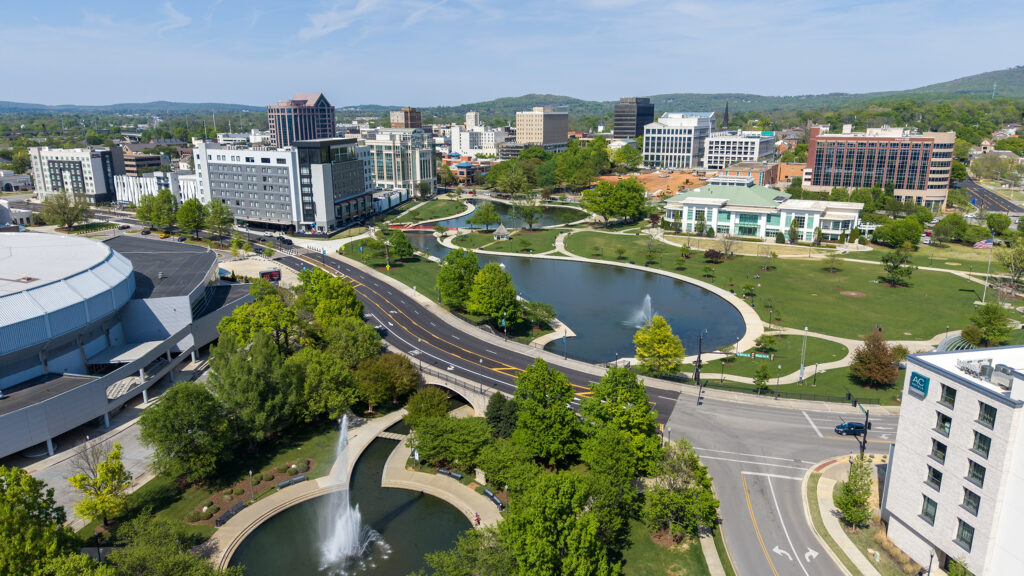
Huntsville is a city that blends deep Southern roots with a strong future-forward identity, creating a place that feels both established and continually evolving. Located in North Alabama within the Tennessee Valley, Huntsville sits at the crossroads of natural beauty, technological innovation, and long-term economic opportunity. Its location provides access to rolling hills, nearby mountains, and green spaces while still supporting a modern, connected way of life.
Over time, Huntsville has grown from a small agricultural town into one of the nation’s leading centers for aerospace, defense, engineering, and technology. This transformation did not happen overnight. Instead, it unfolded through decades of steady development shaped by education, research, federal investment, and a highly skilled workforce. Today, Huntsville is widely recognized for its concentration of engineers and technical professionals, as well as its role in national defense and space-related innovation.
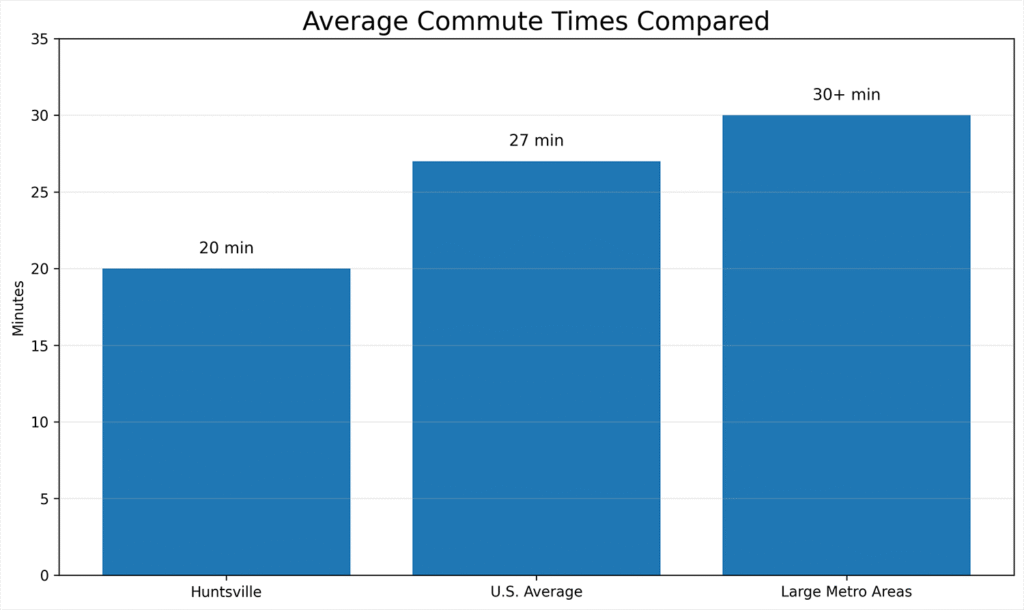
What sets Huntsville apart from many growing cities is how intentionally it has developed. Growth has been guided by long-term planning rather than rapid expansion, allowing neighborhoods, infrastructure, and amenities to keep pace with population increases. As a result, Huntsville has maintained a level of affordability and livability that is increasingly difficult to find in similarly positioned metro areas. Residents benefit from shorter commute times, accessible outdoor recreation, and a community atmosphere that still feels personal despite the city’s growth.
Huntsville’s appeal extends beyond employment opportunity. The city offers a balanced lifestyle supported by strong schools, expanding cultural and dining options, and a wide range of neighborhoods that accommodate different stages of life. From historic districts near downtown to newer suburban communities and surrounding towns, Huntsville provides flexibility for families, professionals, retirees, and relocations alike.
For newcomers, Huntsville represents a rare combination of career potential, financial efficiency, and quality of life. It is a city where innovation and tradition coexist, offering opportunities to build a future without sacrificing everyday comfort or connection to community. This balance continues to draw people from across the country who are looking not just for a place to work, but a place to live well.
Huntsville History
Huntsville is a city shaped by both tradition and innovation, blending deep Southern roots with a distinctly future-focused identity. Located in North Alabama within the Tennessee Valley, Huntsville’s development has been influenced as much by its geography as by its people. What began as a small agricultural settlement grew steadily through commerce, education, and industry, laying an early foundation for progress that would later define the city on a national scale.
Originally known for cotton production and regional trade, Huntsville evolved through multiple transformative periods that reshaped its role in Alabama and the United States. The arrival of military research during World War II marked a turning point, connecting the city to federal investment, engineering, and scientific advancement. That momentum carried forward into the Space Race, when Huntsville became internationally recognized for its contributions to rocket development and space exploration, earning its enduring reputation as “Rocket City.”
Today, Huntsville stands as one of the nation’s leading centers for aerospace, defense, engineering, and technology, while still maintaining the character of a livable Southern city. Its growth has been deliberate rather than explosive, allowing infrastructure, neighborhoods, and culture to develop alongside opportunity. This balance has helped Huntsville retain affordability, access to nature, and a strong sense of community even as it continues to attract professionals, families, and innovators from across the country.
Understanding Huntsville’s history is key to understanding what the city is today. Each era, from early settlement to modern innovation, has left a lasting imprint on its economy, neighborhoods, and identity. The sections below explore how Huntsville’s past shaped its present, and why that history continues to influence the city’s future.
Huntsville, Alabama – Early Roots
The earliest roots of Huntsville date back to the early 1800s, when settlers were drawn to the area by its fertile land, abundant water sources, and strategic location within the Tennessee Valley. Originally known as Twickenham, the settlement was renamed Huntsville in 1811 and quickly emerged as an important center for trade and agriculture in North Alabama.
Huntsville’s growth during this period was closely tied to cotton production, which dominated the regional economy throughout the 19th century. The surrounding farmland supported large-scale agriculture, and Huntsville developed into a commercial and transportation hub connecting rural communities to larger markets. Roads, rail connections, and early industry helped establish the city as one of Alabama’s most prosperous towns during its formative years.
In addition to its economic role, Huntsville played an early part in Alabama’s political and educational development. The city was the site of Alabama’s constitutional convention in 1819, underscoring its importance in the state’s early governance. Institutions focused on education, commerce, and civic life took root during this era, shaping a culture that valued progress, learning, and leadership.
These early foundations established patterns that continue to influence Huntsville today. The city’s emphasis on innovation, infrastructure, and regional connectivity did not begin in the modern era, but rather evolved from its origins as a forward-looking Southern city. The balance between tradition and growth that defines modern Huntsville can be traced directly back to these early years of settlement and development.
Huntsville, Alabama – World War II and Redstone Arsenal
Huntsville’s transformation into a nationally significant city began during World War II with the establishment of Redstone Arsenal in 1941. Originally developed as a chemical weapons manufacturing and storage facility for the U.S. Army, the Arsenal marked a dramatic shift in the city’s role within the region. What had long been an agriculture-driven economy was suddenly connected to large-scale federal investment, advanced research, and military infrastructure.
The presence of Redstone Arsenal brought an influx of scientists, engineers, technicians, and military personnel to the area. This rapid growth reshaped Huntsville’s population and workforce, introducing a highly skilled professional base that would become central to the city’s future identity. Housing, transportation, and public services expanded to support the growing number of workers and their families, laying the groundwork for modern suburban development.
Following World War II, Redstone Arsenal’s mission evolved as the United States entered the early stages of the Cold War. The installation became a key center for missile and rocket research, shifting Huntsville’s economic focus toward engineering, research, and technology. This transition positioned the city to play a pivotal role in national defense and scientific advancement in the decades that followed.
The long-term impact of Redstone Arsenal cannot be overstated. Its presence permanently altered Huntsville’s economic trajectory, anchoring the city’s relationship with federal research and defense while fostering a culture of innovation and technical expertise. The infrastructure, workforce, and institutional partnerships established during this era directly paved the way for Huntsville’s later prominence in aerospace and space exploration.
Huntsville, Alabama -The Space Race
Huntsville’s national and international profile rose dramatically during the mid-20th century as the United States entered the Space Race. Building on the missile research already underway at Redstone Arsenal, the city became a central hub for rocket development and propulsion research. Engineers and scientists working in Huntsville played a critical role in advancing launch vehicle technology at a time when space exploration had become a matter of national priority.
During this era, Huntsville emerged as the home base for teams responsible for designing and testing rockets that would eventually power America’s space missions. Facilities in and around the city supported research, development, testing, and systems integration, drawing some of the brightest scientific minds in the country. This concentration of technical expertise transformed Huntsville into a city defined by engineering precision, problem solving, and innovation.
The Space Race reshaped Huntsville not only economically, but culturally. The influx of scientists, engineers, and international collaborators gave the city a distinctly intellectual and forward-thinking character. Educational institutions expanded, research partnerships grew, and neighborhoods developed around a workforce deeply connected to science and technology. Huntsville’s identity as “Rocket City” took hold during this period and remains a defining part of its character today.
The legacy of the Space Race continues to influence Huntsville’s growth and reputation. What began as a response to global competition helped establish a long-term foundation for aerospace leadership, research excellence, and technological advancement. The systems, talent, and infrastructure developed during this era positioned Huntsville to remain relevant well beyond the Space Race itself, shaping the city’s modern role in innovation and exploration.
Huntsville, Alabama – Modern Huntsville – Today and Beyond
Today, Huntsville stands as a city shaped equally by its history and its forward momentum. What was once a center for agriculture, then military research, has grown into a modern hub for aerospace, technology, engineering, healthcare, and innovation. The city continues to attract a highly educated workforce while maintaining a strong sense of community and livability.
Modern Huntsville is defined by steady, intentional growth rather than rapid overdevelopment. New neighborhoods, business districts, and cultural spaces have emerged alongside long-established areas, creating a city that feels both dynamic and grounded. Investments in infrastructure, education, and quality of life have allowed Huntsville to expand while preserving the character that longtime residents value.
Looking ahead, Huntsville’s future remains closely tied to innovation, research, and economic diversity. As the city continues to grow, it does so with a focus on sustainability, opportunity, and long-term stability, making it a place where people not only come to work, but choose to build their lives.
Economy, Jobs, and Growth in Huntsville
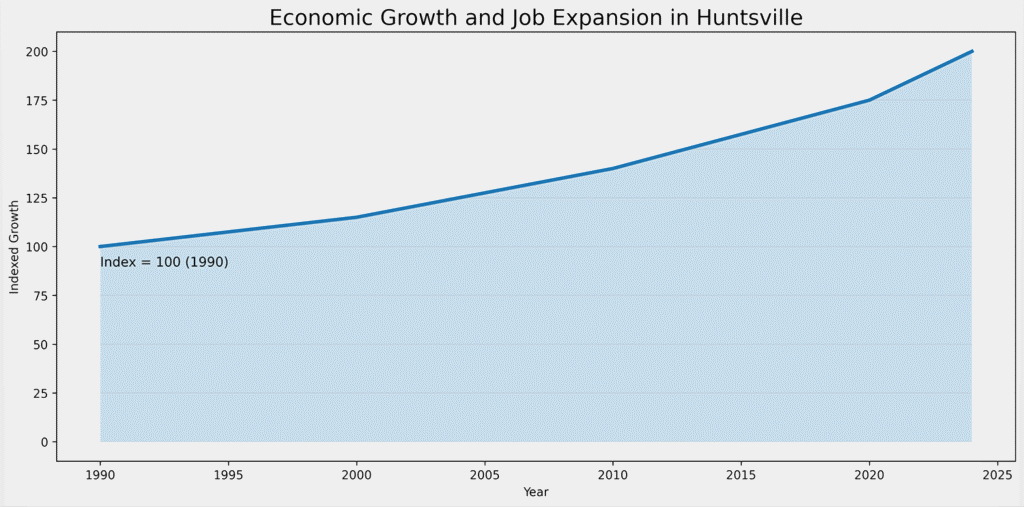
Huntsville’s economy is one of the strongest and most resilient in the Southeast, built on long-term stability rather than short-term cycles. For decades, the city has been anchored by aerospace, defense, and advanced engineering, creating a foundation that continues to attract federal investment, private industry, and highly skilled professionals. Unlike markets driven by a single employer or trend, Huntsville benefits from a diversified mix of public and private sector growth.
A major driver of Huntsville’s continued expansion is the concentration of national defense and research operations located at and around Redstone Arsenal. The relocation of United States Space Command to Huntsville further elevated the city’s strategic importance, bringing additional personnel, infrastructure investment, and long-term federal presence. At the same time, the Federal Bureau of Investigation continues to expand its operations in Huntsville, reinforcing the city’s role as a central hub for intelligence, cybersecurity, and national security functions.
Private industry growth has followed closely behind. Blue Origin established major engine manufacturing and testing operations in the area, adding high-skill engineering and advanced manufacturing jobs. In the life sciences sector, Eli Lilly and Company announced plans for a multi-billion-dollar manufacturing facility in the Huntsville area, representing one of the largest private investments in the region’s history. These projects signal long-term confidence in Huntsville’s workforce, infrastructure, and business environment.
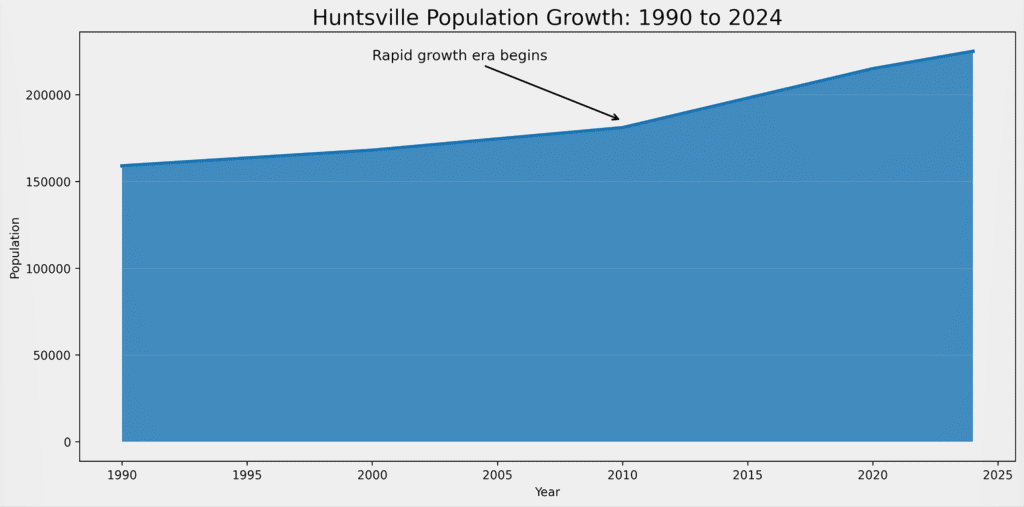
Together, these developments have accelerated job creation across engineering, technology, manufacturing, research, and support industries. The result is steady population growth driven by professionals relocating for career opportunity rather than speculative expansion. Huntsville’s growth pattern has remained measured and intentional, allowing infrastructure, schools, and neighborhoods to grow alongside demand rather than lag behind it.
Major Employers and Industries
Huntsville is home to one of the highest concentrations of engineers and technical professionals in the country. Major employers span federal agencies, defense contractors, aerospace firms, and private technology companies, creating a deep and diverse employment base. This mix reduces economic volatility and supports long-term workforce stability.
In addition to national defense and aerospace, Huntsville has seen continued expansion in advanced manufacturing, biotechnology, and pharmaceutical production. These industries bring a wide range of job types, from research and engineering to operations, logistics, and support services, broadening the economic impact across the region.
This strong employer presence has also fueled growth in supporting sectors such as healthcare, education, construction, and professional services. As new facilities come online and existing operations expand, Huntsville continues to attract both early-career professionals and experienced workers seeking long-term career paths.
Job Growth and Population Growth
Job growth in Huntsville has played a central role in the city’s steady population increase over the past several decades. As new defense, aerospace, technology, and manufacturing positions have been added, professionals and families have continued to relocate to the area for stable, long-term career opportunities. This growth has been driven largely by permanent employers and federal investment rather than short-term market cycles, giving Huntsville a level of economic consistency that many fast-growing cities lack.
Unlike boom-and-bust markets that expand rapidly and strain local resources, Huntsville’s population growth has been measured and sustained. Infrastructure, schools, and neighborhoods have generally developed alongside demand, helping the city maintain livability as it expands. New residential construction, roadway improvements, and community planning have allowed growth to occur without overwhelming existing systems, supporting long-term stability for both residents and employers.
Newcomers are drawn to Huntsville not only by employment opportunities, but also by the quality of life that accompanies the city’s economic expansion. Relatively affordable housing, shorter commute times, and access to outdoor recreation and cultural amenities all contribute to the area’s appeal. For many relocating households, Huntsville offers the rare combination of career advancement and everyday livability, helping explain why population growth has remained consistent rather than volatile.
What This Means for Housing
The relationship between job growth and housing in Huntsville is one of the defining factors shaping the local real estate market. As defense, aerospace, technology, and advanced manufacturing employers continue to expand, housing demand has followed in a steady and predictable way. Many new residents arrive with secure employment, long-term career plans, and an intention to put down roots rather than make short-term moves, which has helped keep the market fundamentally strong.
Housing demand in Huntsville is not concentrated in a single area or price range. Instead, it spans a wide variety of neighborhoods and home types, reflecting the diverse workforce moving to the area. Some newcomers prioritize proximity to major employment centers and shorter commute times, while others seek newer construction, larger lots, or access to schools, parks, and community amenities. This has led to growth across both established neighborhoods and newer developments designed to accommodate the city’s expansion.
One of the most notable characteristics of Huntsville’s housing market is how closely it aligns with lifestyle considerations. Commute times remain relatively short compared to larger metro areas, allowing residents to live farther from the city center without sacrificing daily convenience. Access to outdoor recreation, greenways, and nearby natural areas plays a significant role in where many buyers choose to live, as does the desire for a balance between privacy, space, and connectivity.
Affordability continues to be a key factor attracting buyers to Huntsville, particularly those relocating from higher-cost markets. While home values have increased alongside demand, Huntsville has generally maintained a more accessible entry point compared to other cities experiencing similar levels of job and population growth. This has allowed buyers to secure homes that meet both functional needs and lifestyle goals, whether that means additional space, newer construction, or proximity to desired amenities.
As the city grows, housing inventory and competition can vary significantly by area and price point. Some neighborhoods experience faster turnover and stronger demand due to location, school zones, or proximity to employment hubs, while others offer opportunities for buyers seeking value or long-term appreciation. Understanding these local dynamics is especially important for newcomers unfamiliar with how Huntsville’s layout, traffic patterns, and neighborhood character influence day-to-day living.
Overall, Huntsville’s housing market reflects the city’s broader growth pattern: steady, employment-driven, and grounded in long-term fundamentals. For those researching a move, the key is not just finding a home, but finding the right fit within a city that continues to evolve. Housing decisions in Huntsville are closely tied to lifestyle preferences, commute considerations, and long-term plans, making local insight an important part of navigating the market successfully.
Cost of Living and Lifestyle in Huntsville
One of the most compelling reasons people choose to relocate to Huntsville is the balance it offers between affordability, lifestyle, and long-term financial efficiency. Compared to many fast-growing metro areas across the country, Huntsville maintains a cost of living that remains below the national average while still supporting strong job opportunities, modern infrastructure, and a high quality of life. This balance has become increasingly attractive for individuals and families looking to make strategic moves rather than short-term compromises.
A major factor driving relocation to Huntsville is Alabama’s overall tax structure, which is considered among the more favorable in the country for residents. Property taxes remain notably low compared to many states, helping homeowners manage long-term housing costs more predictably. For those moving from higher-tax regions, the combination of lower property taxes and a generally lower cost of ownership can result in meaningful savings over time, particularly for households planning to stay long term.
Housing costs play a central role in Huntsville’s affordability, but they are only part of the equation. Utilities, insurance, and everyday living expenses tend to remain manageable relative to larger metropolitan markets. When combined with the state’s lower tax burden, many newcomers find that their income stretches further in Huntsville, allowing greater flexibility for savings, travel, education, or lifestyle upgrades.
Day-to-day life in Huntsville is shaped by convenience and accessibility. Commute times are generally shorter than those found in major cities, reducing transportation costs and freeing up time for family and personal interests. The city’s layout allows residents to choose from a range of living environments, from established neighborhoods to newer suburban and semi-rural areas, without sacrificing access to employment centers, shopping, or essential services.
Lifestyle considerations extend beyond cost and convenience. Outdoor recreation plays a significant role in daily life, with parks, greenways, and nearby natural areas integrated throughout the city. Cultural amenities, dining options, and community events continue to expand, offering residents a growing variety of experiences without the congestion or pace of larger metros. This balance contributes to a sense of livability that feels sustainable rather than overwhelming.
Overall, Huntsville’s appeal lies in how affordability, lower taxes, and lifestyle quality intersect. The city offers an environment where residents can build careers, own homes, and enjoy daily life without the financial pressure often associated with similarly growing markets. For those researching a move, Huntsville stands out as a place where long-term value and quality of life align.
Things to Do in Huntsville
Life in Huntsville offers far more variety than many newcomers expect. While the city is widely known for its role in aerospace, defense, and technology, day-to-day life in Huntsville is shaped just as much by recreation, culture, and community. Residents enjoy a blend of outdoor access, science and history, arts and entertainment, and a steadily growing dining and brewery scene, all within a city that remains approachable and easy to navigate.
What makes Huntsville especially appealing is how integrated these experiences are into everyday living. Parks, trails, and green spaces are woven throughout the city rather than pushed to the outskirts. Cultural attractions and entertainment venues are accessible without the congestion of larger metros. Community events, festivals, and local gathering places create opportunities to connect, whether you’re new to the area or have lived here for years.
Huntsville’s size also plays a role in its appeal. The city is large enough to support diverse amenities and experiences, yet small enough to avoid the traffic, crowds, and pace often associated with major metropolitan areas. This balance allows residents to enjoy concerts, museums, outdoor recreation, and dining without the trade-offs that come with living in a much larger city.
For newcomers, exploring what Huntsville has to offer is often part of deciding where to live. Proximity to parks, cultural districts, entertainment, and everyday conveniences can vary by neighborhood, making lifestyle an important factor in choosing the right area. The sections below highlight some of the key ways residents spend their time and what contributes to Huntsville’s quality of life beyond work.
Outdoor Recreation and Nature
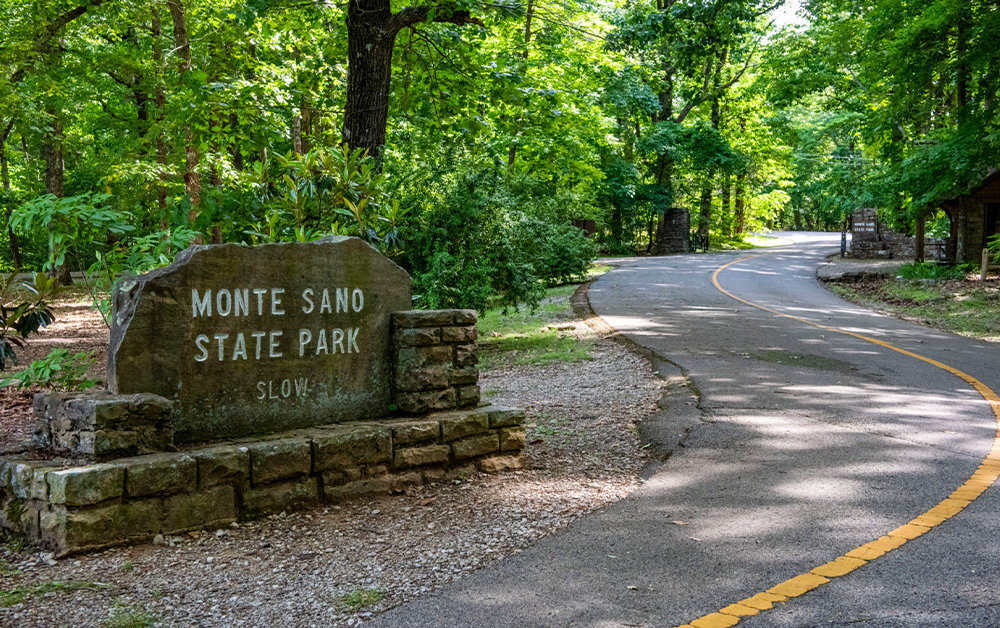
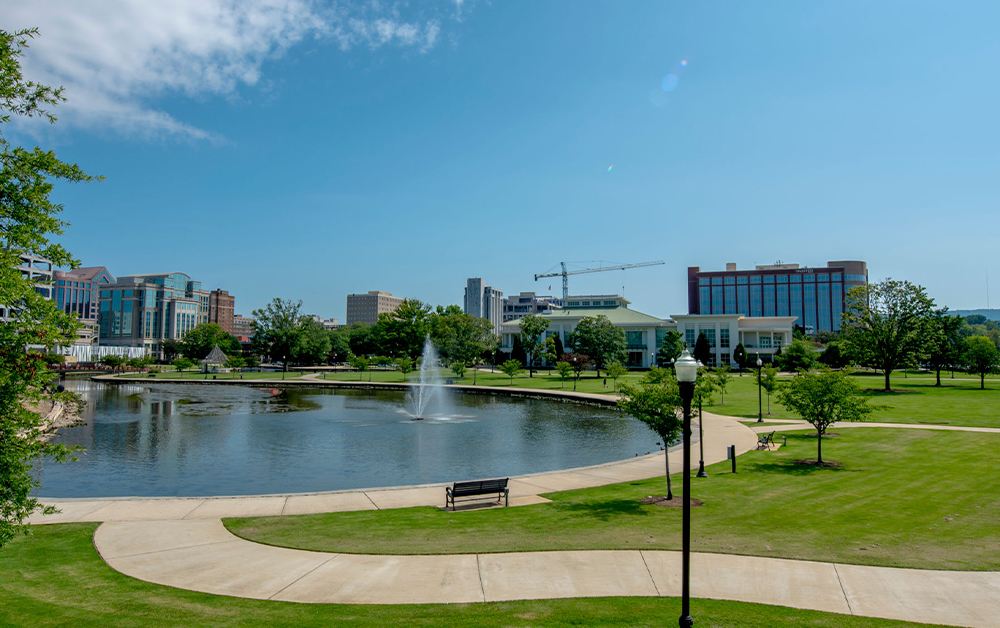
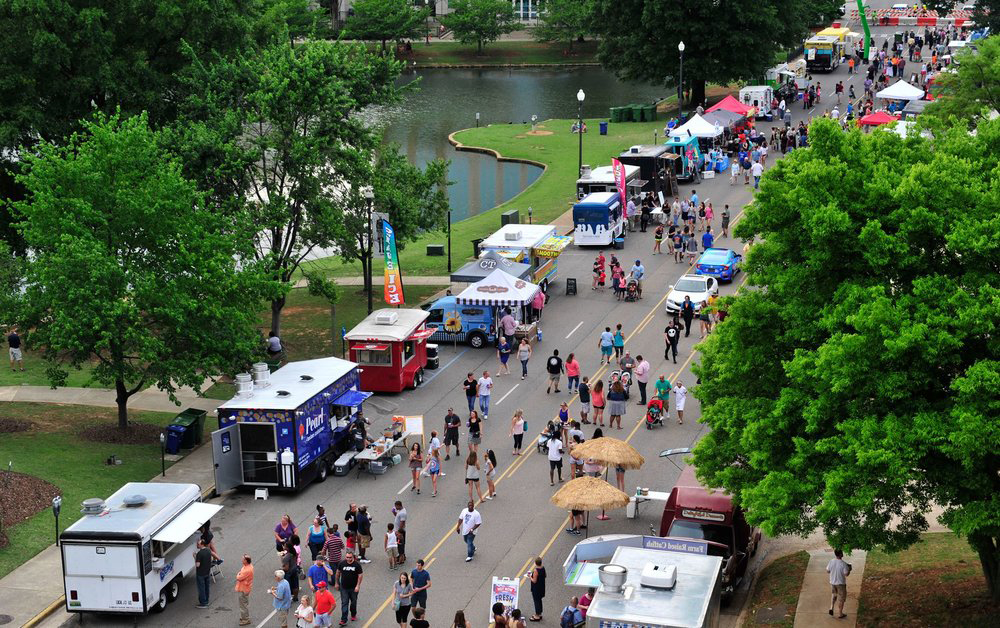
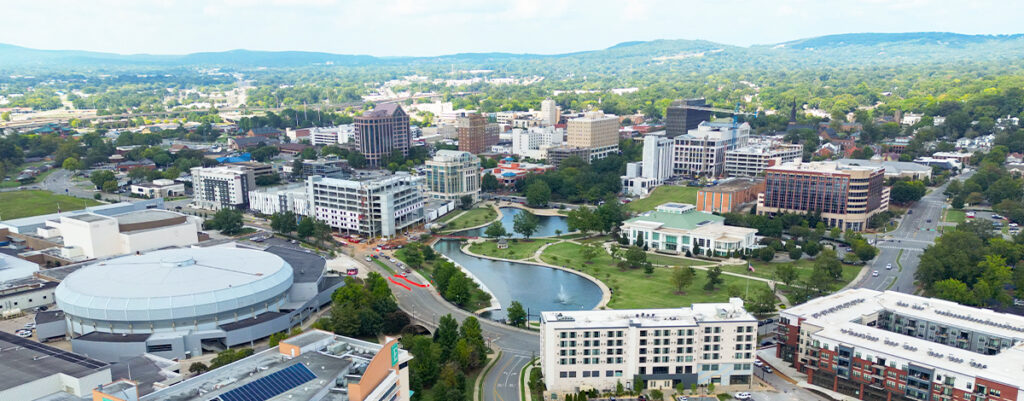
Huntsville is surrounded by natural beauty, making outdoor recreation a major part of daily life. Parks, greenways, and nearby mountains offer residents easy access to hiking, biking, and scenic views without leaving the city. Monte Sano Mountain rises just east of downtown, providing miles of trails and overlooks, while Big Spring Park serves as a central gathering place for festivals, concerts, and community events.

Science, History, and Cultural Attractions
Huntsville’s identity is deeply tied to innovation and exploration, and that history is reflected in its museums and cultural institutions. The U.S. Space and Rocket Center is one of the city’s most well-known attractions, drawing visitors from around the world. Beyond aerospace, Huntsville also offers art museums, historic districts, and educational attractions that celebrate both local heritage and national history.

Arts, Entertainment, and Events
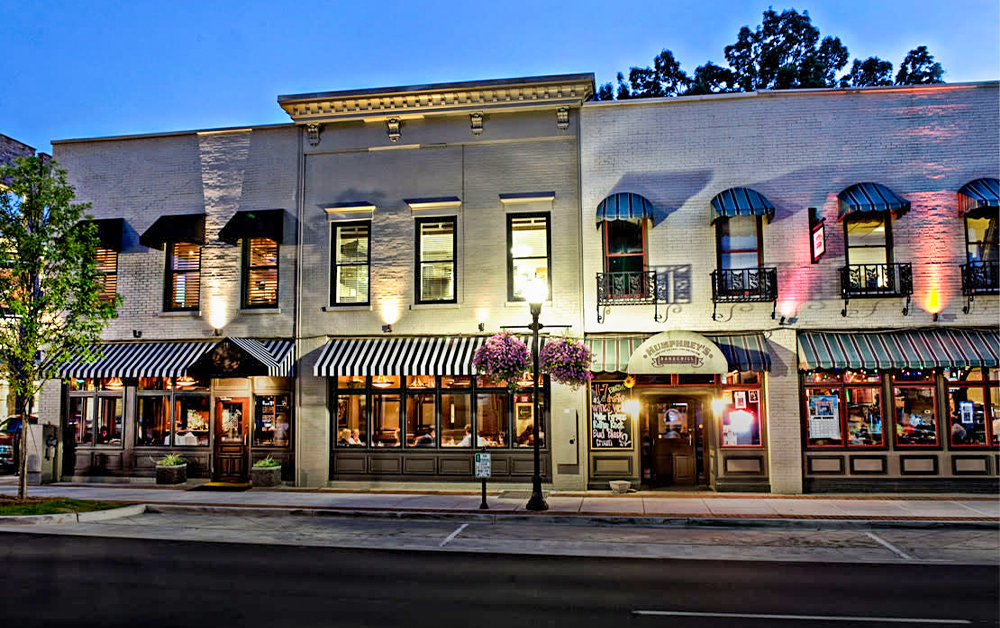
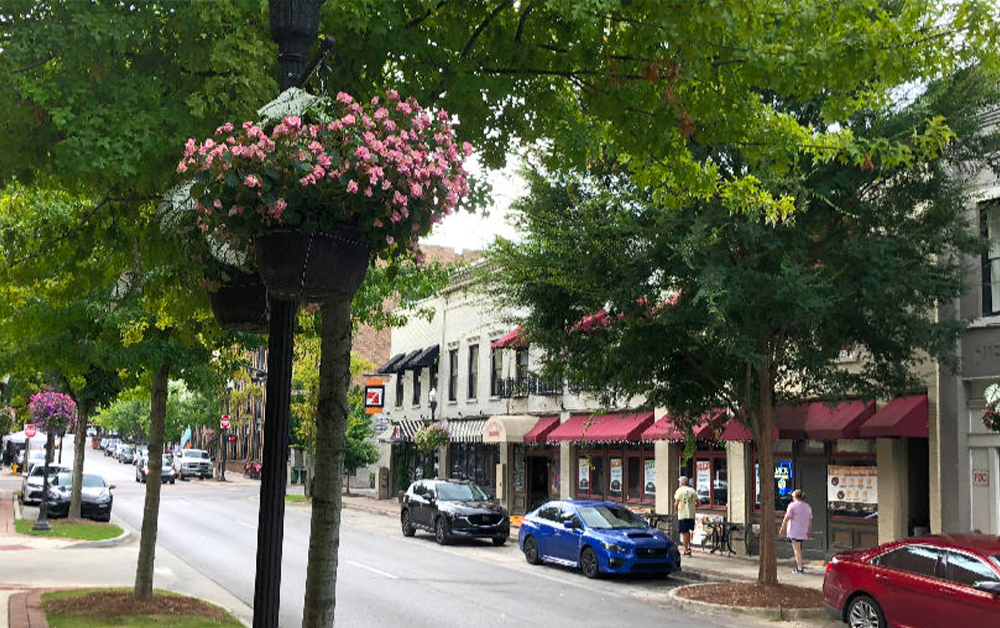
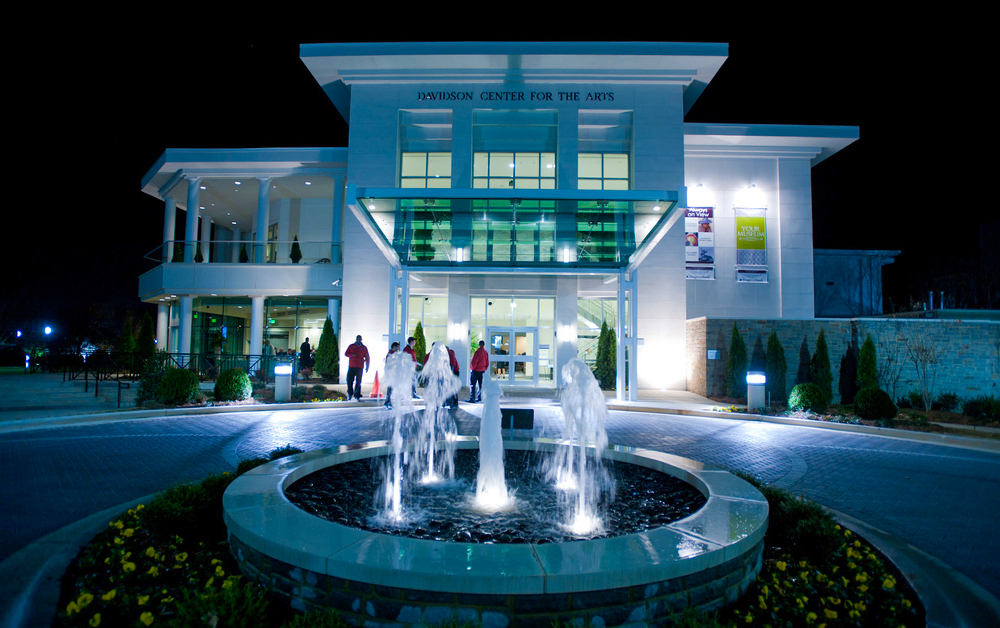
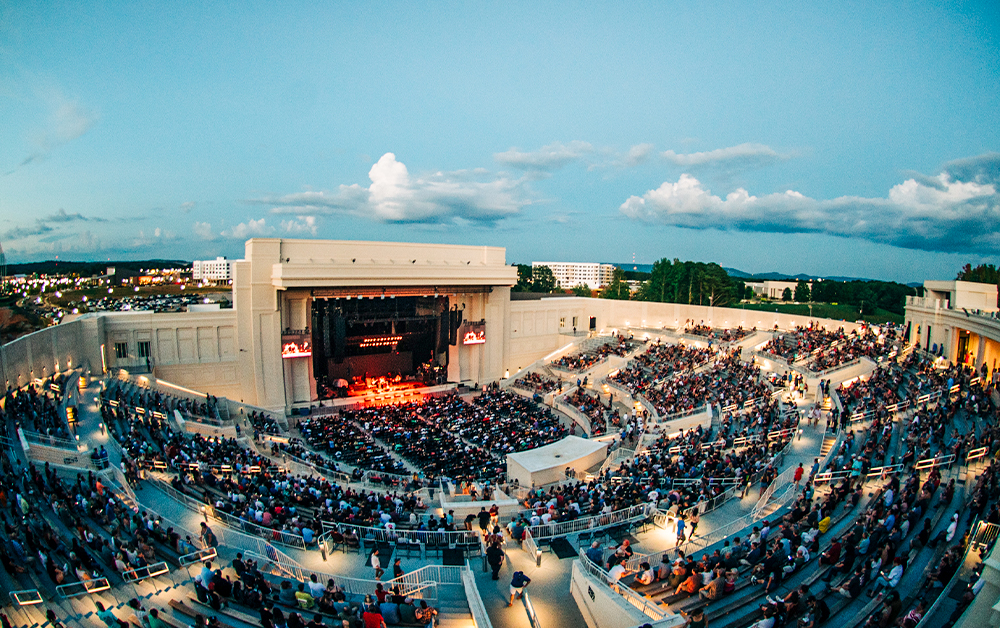
Huntsville’s arts and entertainment scene has grown significantly in recent years. Downtown and surrounding districts host live music, theater performances, and seasonal festivals throughout the year. Community events, outdoor concerts, and local markets contribute to a lively atmosphere while still maintaining a relaxed, approachable feel that residents appreciate.

Dining, Shopping, and Local Favorites
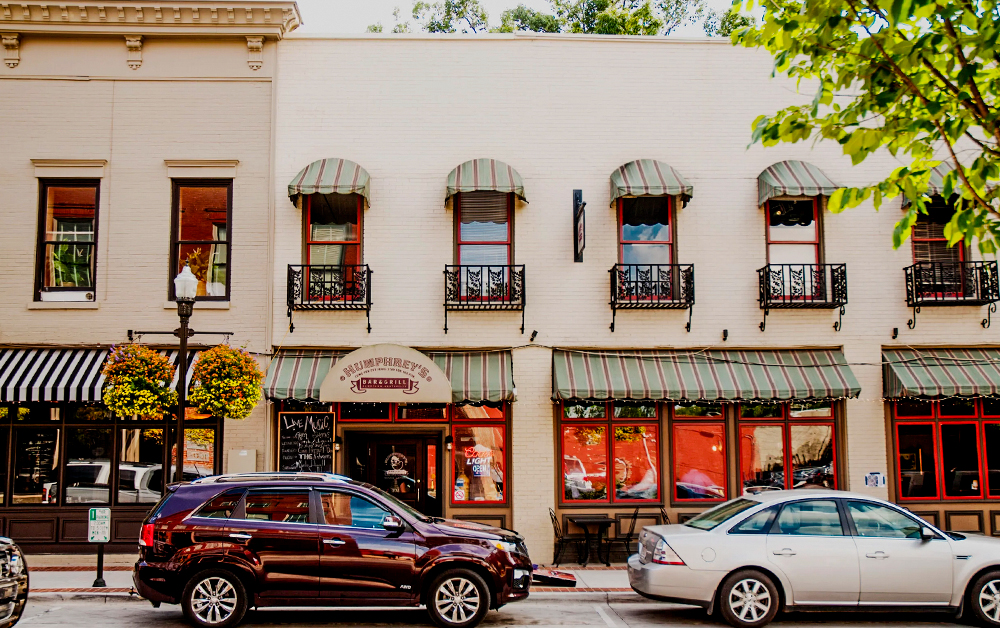
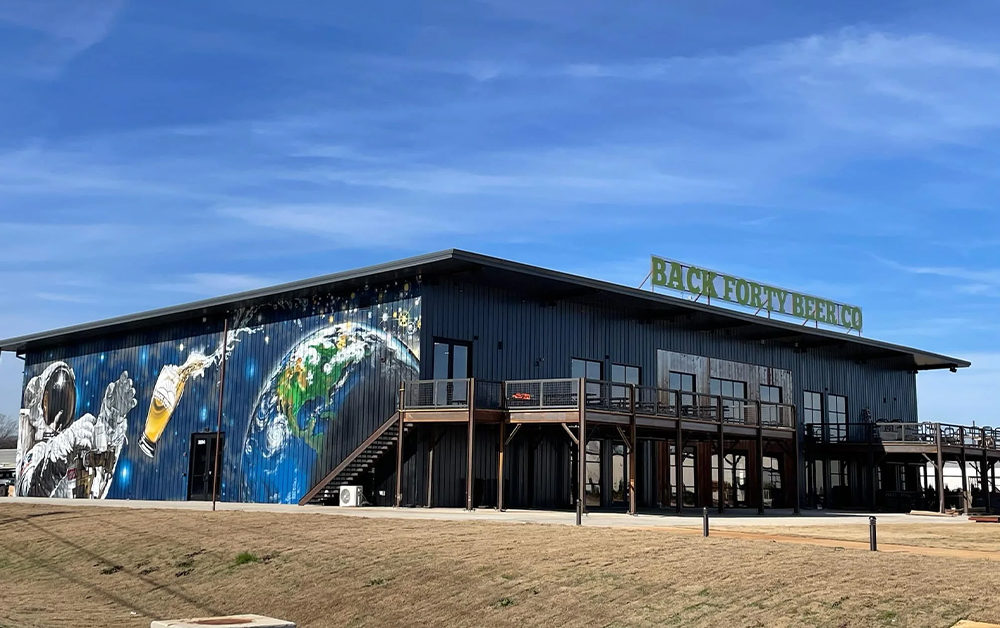
The city’s dining and shopping options continue to expand as Huntsville grows. From locally owned restaurants and coffee shops to larger retail centers, residents enjoy a mix of familiar conveniences and unique local favorites. Food trucks, breweries, and neighborhood spots add to the character of the city, making it easy to find places that feel both welcoming and distinctive.
Where to Stay in Huntsville
Visitors and newcomers exploring Huntsville will find a wide range of lodging options that reflect the city’s growing role as a hub for business, research, and relocation. Whether visiting for a short business trip, an extended work assignment, or an exploratory stay before moving, Huntsville offers accommodations that align with different needs, timelines, and lifestyles.
Downtown Huntsville is a popular choice for visitors who want to experience the city’s cultural and social core. Staying downtown provides convenient access to restaurants, entertainment venues, museums, and public spaces, making it ideal for shorter stays or those who want to get a feel for Huntsville’s urban atmosphere. This area is especially appealing to visitors attending events, conferences, or meetings in the city center.
For business travelers and those visiting major employers or research facilities, areas near Redstone Arsenal and surrounding business corridors offer practical lodging options with easy access to work locations. These areas often feature a mix of traditional hotels and extended-stay accommodations, making them well suited for professionals on multi-week or multi-month assignments who want comfort and convenience without long daily commutes.
Extended-stay hotels and short-term rentals are particularly popular among individuals and families considering a permanent move to Huntsville. These options allow newcomers to experience daily life, test commute times, explore different neighborhoods, and evaluate schools and amenities before committing to a long-term housing decision. For many relocating households, this approach provides valuable insight into which areas best align with their lifestyle and priorities.
Huntsville’s geographic layout also makes it possible to stay slightly outside the city center while still maintaining easy access to major destinations. Surrounding areas offer quieter environments, additional space, and convenient access to highways, appealing to visitors who prefer a more suburban setting during their stay. This flexibility allows newcomers to sample different living environments and better understand how location influences daily routines.
Overall, Huntsville’s lodging options support both short-term visits and longer exploratory stays, making it easier for newcomers to transition into the area. Whether visiting for business, relocation planning, or extended projects, the city offers accommodations that provide comfort, convenience, and a practical introduction to life in Huntsville.
Huntsville Neighborhood Overview
Understanding Huntsville begins with understanding how the city and its surrounding communities are laid out. Rather than functioning as a single dense urban core, Huntsville is made up of a collection of distinct areas and neighboring cities, each offering a different lifestyle, housing mix, and daily experience. For newcomers, choosing where to live often comes down to commute efficiency, proximity to major employers, neighborhood character, and overall quality of life.
Within Huntsville, South Huntsville remains one of the most popular areas for relocation, particularly among professionals working at Redstone Arsenal. Its location provides direct access to the Arsenal while maintaining convenient routes into downtown Huntsville. South Huntsville is known for established neighborhoods, access to parks and greenways, and a strong residential feel that appeals to long-term homeowners looking for stability, space, and community.
West Huntsville has emerged as one of the city’s most dynamic and creative areas, often considered Huntsville’s growing arts and culture district. Anchored by Lowe Mill Arts & Entertainment, the area has seen continued investment in galleries, studios, breweries, local eateries, and mixed-use development. This part of the city attracts residents who value character, creativity, and proximity to cultural amenities, while still offering convenient access to downtown and major roadways.
Closer to the city center, Five Points and Blossomwood are among Huntsville’s most recognizable and desirable historic neighborhoods. These areas are known for older homes, mature trees, and walkable streets, along with their close proximity to downtown, hospitals, and local schools. Buyers drawn to these neighborhoods often prioritize charm, location, and a strong sense of place over newer construction.
North Huntsville includes a mix of long-standing neighborhoods and areas experiencing reinvestment and redevelopment. Interest in this part of the city continues to grow due to affordability, location, and infrastructure improvements. To the east, Hampton Cove offers a more suburban, master-planned environment near the foothills of the mountains, featuring golf courses, scenic views, and newer residential development while still maintaining access to Huntsville’s employment centers.
Beyond the city limits, surrounding communities play a major role in the regional housing market. Madison is consistently one of the most popular destinations for relocation, particularly for professionals working at Redstone Arsenal or in Cummings Research Park. Madison is known for planned neighborhoods, newer construction, and highly regarded schools, along with its ability to offer efficient commutes to multiple employment hubs.
To the north and west, Athens and Decatur provide additional options for buyers seeking more space, different price points, or a slower pace of life while remaining connected to Huntsville’s job market. Areas such as Harvest continue to grow as well, offering a blend of rural atmosphere and convenient access to major highways.
Because the Huntsville region is geographically spread out, neighborhood choice has a meaningful impact on commute times, daily routines, and overall lifestyle. Proximity to employment centers, downtown amenities, cultural districts, and outdoor recreation all factor heavily into where newcomers ultimately choose to live. Exploring multiple areas is often the best way to understand how location shapes the Huntsville living experience.
Overall, the Huntsville area offers a diverse mix of neighborhoods and surrounding communities that support a wide range of lifestyles and long-term goals. From historic in-town districts to creative hubs and growing suburban areas, the region provides flexibility and choice for those relocating, investing, or planning to put down roots in North Alabama.
Huntsville Real Estate Market Snapshot
The real estate market in Huntsville closely reflects the city’s steady economic growth and employment-driven population increases. Unlike markets that experience sharp swings tied to speculation or short-term demand, Huntsville’s housing market has historically been supported by long-term fundamentals such as job stability, federal investment, and consistent in-migration. This has contributed to a market that tends to move with intention rather than volatility.
Housing demand in Huntsville spans a wide range of price points and property types. Buyers relocating for defense, aerospace, technology, and manufacturing roles often arrive with stable employment and long-term plans, supporting sustained interest in both established neighborhoods and newer developments. New construction continues to play an important role in meeting demand, while resale homes remain competitive in areas with strong location, school zoning, or proximity to employment centers.
Market conditions can vary significantly depending on neighborhood, price range, and property type. Some segments experience faster sales and stronger competition due to limited inventory or high demand, while others offer more flexibility for buyers seeking value or specific features. Because Huntsville is geographically spread out, local market dynamics can change noticeably from one area to another, making neighborhood-level insight especially important when evaluating opportunities.
For sellers, the Huntsville market rewards preparation and pricing accuracy. Homes that are well-presented and priced in line with current conditions tend to attract consistent interest, while overpricing can lead to longer time on market even in desirable areas. Buyers, on the other hand, benefit from understanding how Huntsville differs from larger or more competitive metro areas. While demand remains strong, opportunities still exist for thoughtful buyers who are informed and strategic.
Longer-term trends suggest that Huntsville’s real estate market will continue to be shaped by employment growth, infrastructure investment, and the city’s ability to attract skilled professionals from across the country. As major employers expand and new facilities come online, housing demand is expected to remain closely tied to job growth rather than speculation. This connection between employment and housing has helped Huntsville maintain relative affordability while supporting gradual appreciation over time.
Overall, the Huntsville real estate market reflects the broader character of the city itself: stable, growth-oriented, and grounded in long-term planning. For buyers, sellers, and investors researching the area, understanding how economic drivers, neighborhood dynamics, and lifestyle factors intersect is key to navigating the market effectively. Local knowledge plays an important role in interpreting these trends and identifying opportunities that align with individual goals.
Want Local Insight on Huntsville Neighborhoods?
If you’re researching a move to the Huntsville area or trying to decide which community best fits your lifestyle, having local insight can make a meaningful difference. Neighborhood character, commute patterns, school zoning, and long-term growth can vary widely from one area to the next.
If you’d like a clearer picture of how different parts of Huntsville compare, or want guidance based on your work location, budget, and priorities, I’m happy to help. Feel free to reach out for personalized insight on neighborhoods, market conditions, and what to expect when buying or selling in the Huntsville area.
You can call or text me directly at 256-658-9340, or use the contact form below to start the conversation.
Below you’ll find the most popular and fastest-growing communities across the Rocket City region.

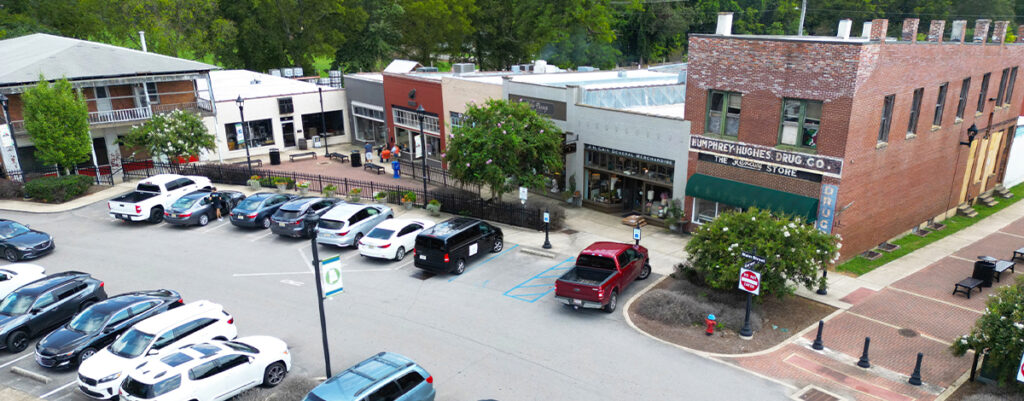

Huntsville
The heart of Rocket City, where innovation meets Southern charm. Perfect for families seeking vibrant neighborhoods near downtown and employers.
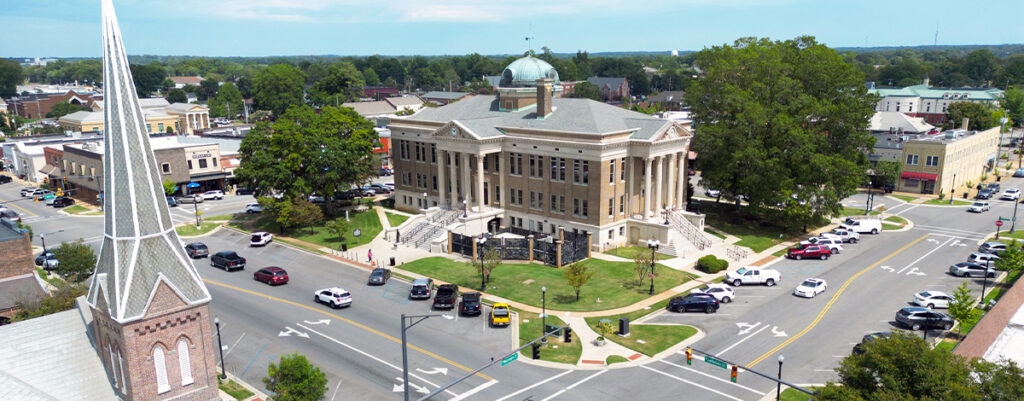
Madison
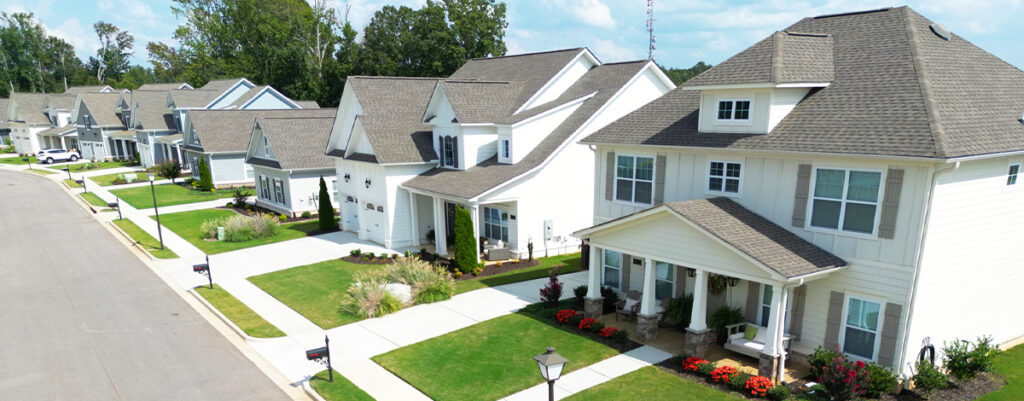
A top-rated suburb with excellent schools, family-friendly parks, and quick access to Redstone Arsenal, Research Park, and Huntsville’s job market.
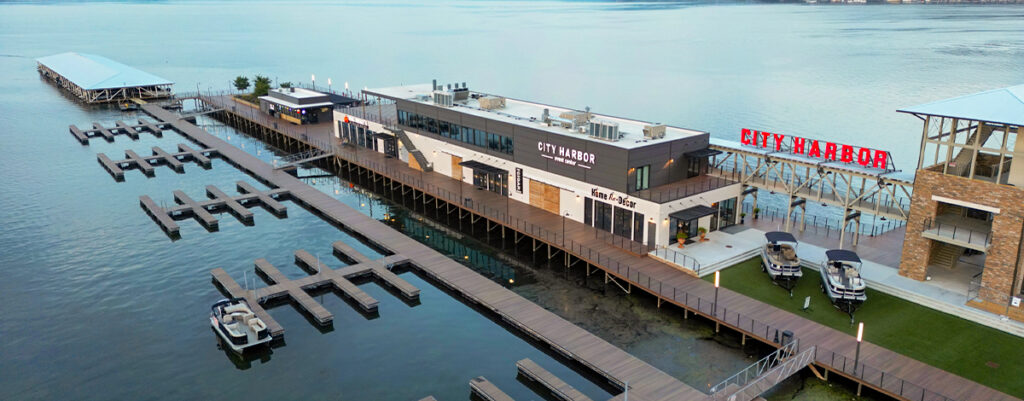
Hampton Cove
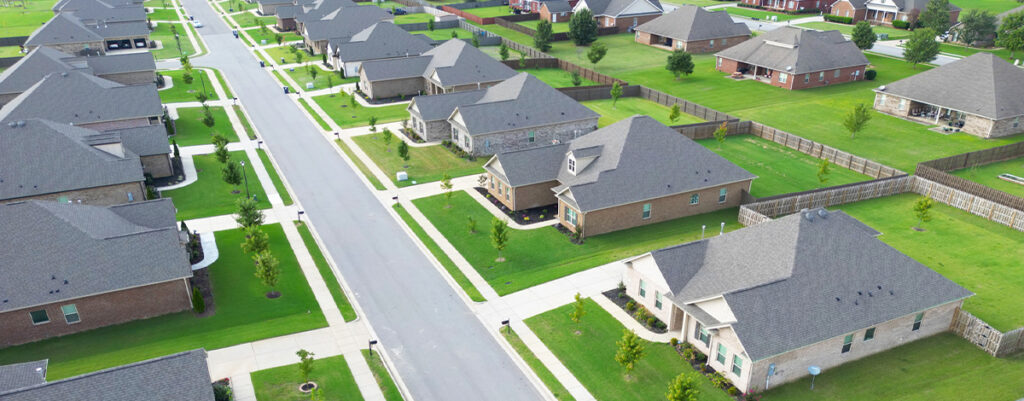
Nestled in Huntsville’s scenic valley, Hampton Cove features golf courses, mountain views, and luxury homes minutes from nature trails and city life.
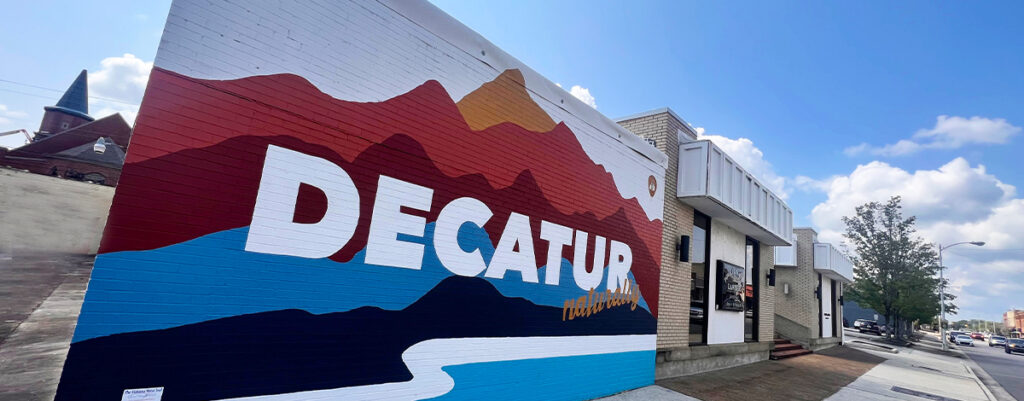
Decatur
A vibrant riverfront city near Huntsville, home to thriving industries, waterfront parks, and family-friendly neighborhoods along the Tennessee River.